UNITY + C#
Modular C# systems, pooling, UI state, and performance.
Gameplay architecture, predictive AI,
physics-driven mechanics and real-time simulation.
Modular C# systems, pooling, UI state, and performance.
Predictive targeting, state machines, and decision systems.
Trajectory gameplay, physics interactions, and real-time world simulation.
Choose a flagship project to inspect its gameplay material and open its case study.
01 / Deviloper
A Unity combat-system project focused on enemy waves, predictive targeting, and reusable runtime objects.
01 / 03 Deviloper
All buildsA conceptual map for explaining how gameplay systems move from signal to player-facing response. Project links below are the real evidence.
Conceptual system map
Receive player and world events, then validate what the system should react to.
State boundaries, reusable modules, and system structure that stays practical to iterate.
Public project evidenceOpen the linked project record to inspect the available build, repository, capture, or design material.
I use AI across research, planning, prototyping, debugging, test scaffolds, and documentation. I define the architecture, make implementation decisions, integrate the work, verify behaviour, and own the result.
Problem framing · Constraints · Architecture
Research · Prototypes · Debugging support · Tests + documentation
Review · Integration · Testing · Profiling + final decisions
Receive player and world events, then validate what the system should react to.
Inputs: Player intent · World events · Runtime data
Output: Validated events
Keep the current game situation explicit, inspectable, and safe to iterate.
Inputs: Validated events · Rules · Current state
Output: Updated game state
Turn state and signals into a readable next action for gameplay systems.
Inputs: Current state · Targets · Trajectory data
Output: Chosen action
Make the system legible through feedback, UI state, rewards, and response.
Inputs: Chosen action · Progress · UI state
Output: Visible response
State boundaries, reusable modules, and system structure that stays practical to iterate.
Deviloper: Open repository — Wave combat, predictive targeting, and reusable runtime objects.
Tanks Battle: Open repository — Trajectory shooting, prediction, and gameplay state.
Chest System: Open repository — Timed rewards, controlled randomness, and modular UI state.
Trajectory systems, world interactions, and runtime data that must remain understandable in play.
Tanks Battle: Open repository — Trajectory systems and tactical-combat prediction.
Reuse and runtime discipline that support stable, responsive gameplay loops.
Deviloper: Open playable build — Reusable runtime objects and object pooling.
Reward state, controlled timing, and UI feedback that explain a system to the player.
Chest System: Open repository — Timed unlocks, controlled RNG, and modular UI.
Mechanics, prototypes, 3D art, and visual direction—built to make player intent clearer, more playable, and easier to build.
View design + art archive (opens the local work archive)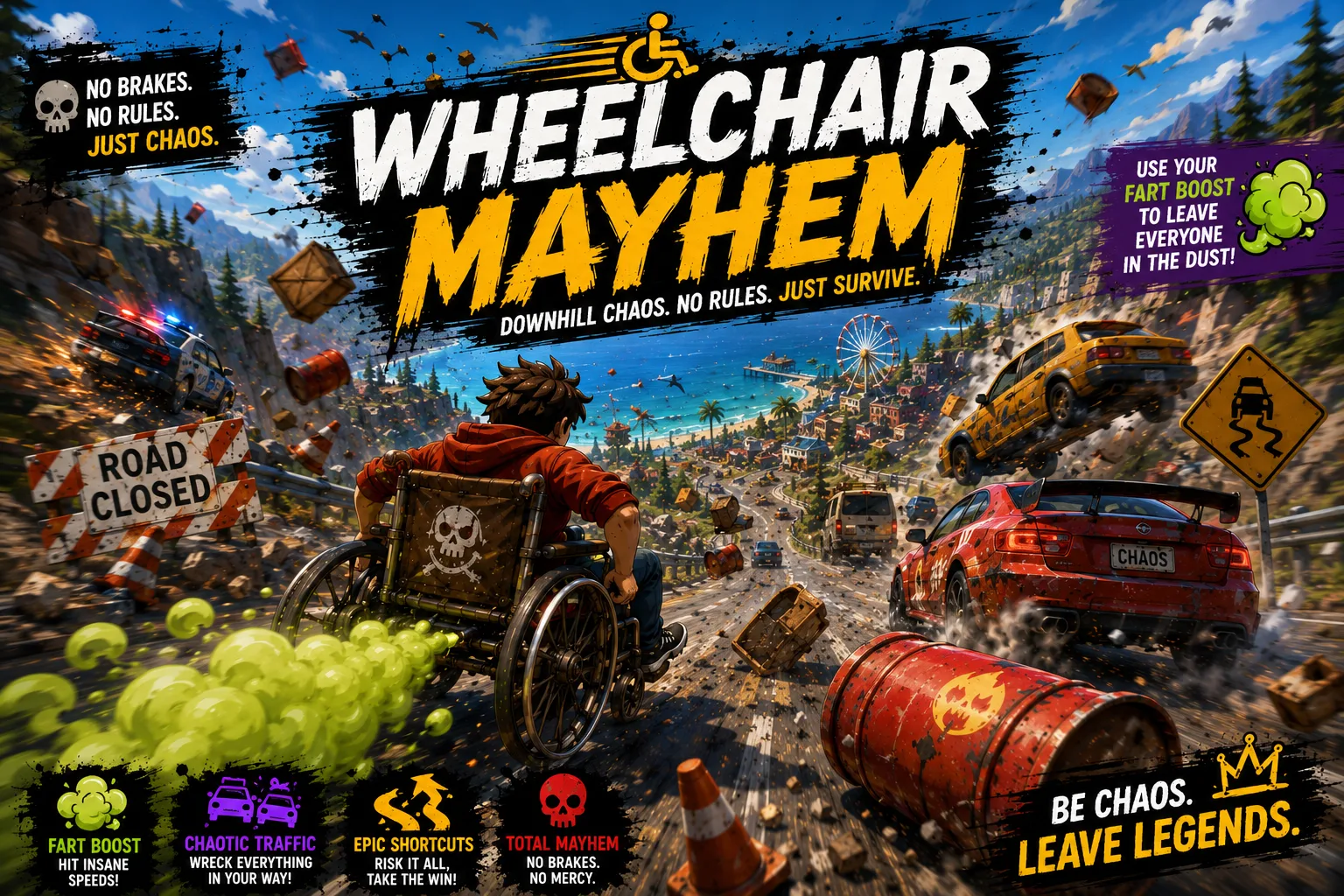
A compact downhill arcade concept shaped through movement feel, wobble, recovery, level flow, and readable risk-reward choices.
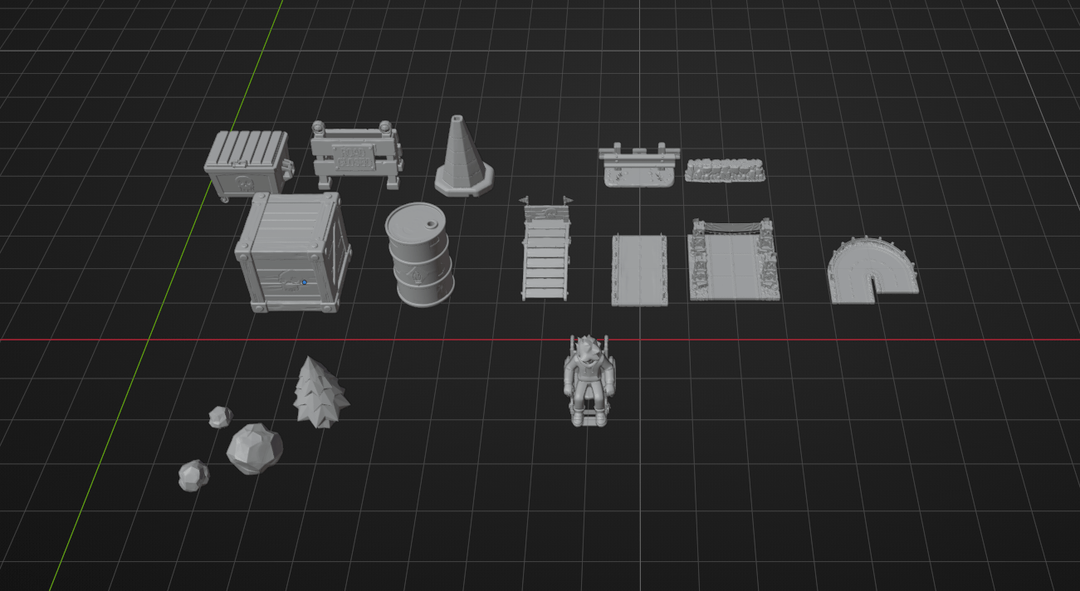
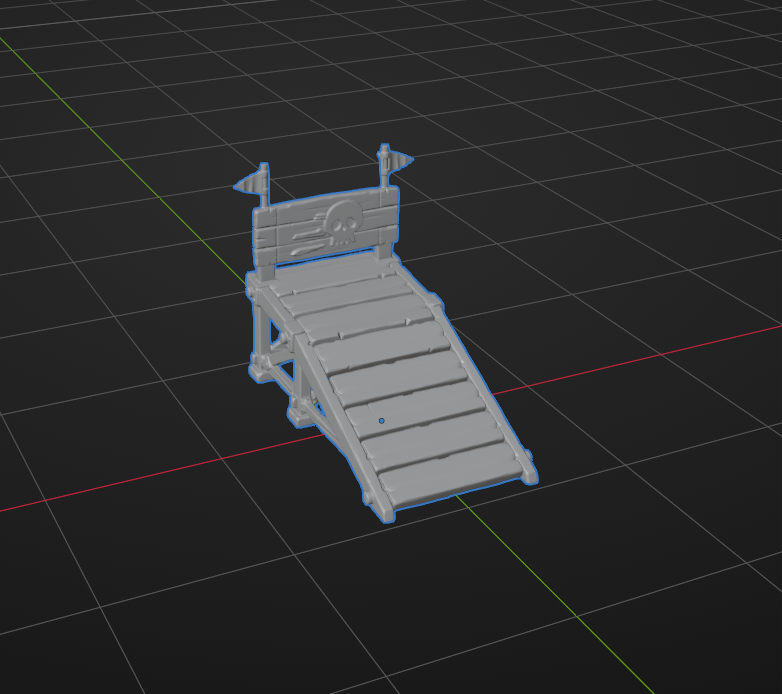
A compact downhill arcade concept shaped through movement feel, wobble, recovery, level flow, and readable risk-reward choices.
An Unreal Engine restoration prototype using mouse inspection, line traces, collision UVs, render targets, and dynamic materials.
A character-development study connecting concept art, sculpt reference, and atmosphere before production detail is committed.
Unity simulation work, remote game development, and programming support—three different ways of helping a build move forward.
Career signal Build / Guide / Community
“Aditya demonstrated solid expertise in Unity and a strong ability to handle complex runtime-builder projects effectively. He worked independently to find effective solutions.”
 Lenka Holá ToulCFO, Advisory Board Member, Speaker, BI & DAX, Interim, Project manager
“He always thinks first about code design and architecture before implementing it, with a particular focus on optimisation.”
 Malhar DevasthaliProduct | Ops | Tech | Game Dev | Start-ups
“A strong grasp of C++ and Unity with C#. I would definitely recommend him for a game-programming role.”
 Rupam DednathGame Developer
I learned Unity by building, breaking, and rebuilding games. That self-directed process taught me to care about systems that are understandable, testable, and easy to iterate.
Today I focus on gameplay systems and real-time simulation. Game-design and art literacy help me translate player intent into practical implementation and collaborate across disciplines.
Hiring for Unity gameplay systems, simulation, or player-facing tools? Tell me what you're building—and where I can help.